“As currently proposed, we have significant concerns that consumer interests will not be sufficiently protected”
Consumer Scotland (CS) in their response the consultation on Sizewell C’s RAB License
I was delighted to support Consumer Scotland with their response to the recent consultation on Sizewell C’s RAB License. The draft license lays out the detail of the funding framework for a project with an estimated cost of £20 bn.
The model draws on a well-tested framework for ‘natural monopoly’ infrastructure such as electricity networks. But it is the first time that such a RAB approach has been used for a generator.
Understand the model is a challenge which is why I helped CS write and published a nuclear RAB explainer.
What is the RAB mechanism?
- From construction year 1, SZC will receive an ‘allowed revenue’. This includes a return on investment (set by a Weighted Average Cost of Capital (WACC) and the current value of the RAB); operational costs; and payments into a decommissioning fund
- Incentive schemes adjust the allowed revenue in various ways to penalise or reward particular outcomes e.g. the ‘CAPEX incentive mechanism’ will reward investors if SZC is delivered below a ‘lower regulatory threshold’ and penalise them for overspend above
- SZC’s revenue comes from a combination of (a) market revenue and (b) ‘difference payments’, which are similar to CfD uplift payments. Like CfDs payments these could be negative if revenue from market trading exceeds allowed revenue in a particular year
- Difference payments are funded via a levy on electricity bills. During the construction phase there are no market revenues, so all revenue comes from difference payments.
Why are UK Government using it:
- Their view is that nuclear power is important to net zero and security of supply, but it is unlikely the market will deliver without government support
- Perception that the Hinkley Point C CfD strike price of £92.50 / MWh included a hefty risk premium which adds to consumer bills
- The RAB model provides high confidence for investment with returns paid from year 1 (compared with a CfD or merchant project where revenue only starts once operational). This can significantly reduce the cost of capital, reducing overall costs for consumers.
We spent a long time going through the 330 pages of the draft Licence. But despite the volume of detail, CS’s conclusion was that the information available doesn’t yet provide sufficient confidence that consumer interests will be protected. The process by which the Secretary of State will consider consumer interests is unclear, regulatory parameters could be set too leniently, and penalties for delay and overspend could be insufficiently strong. Once operational, it is unclear how the model will be sufficiently flexible to the extensive changes we expect to see in the electricity and energy markets system.
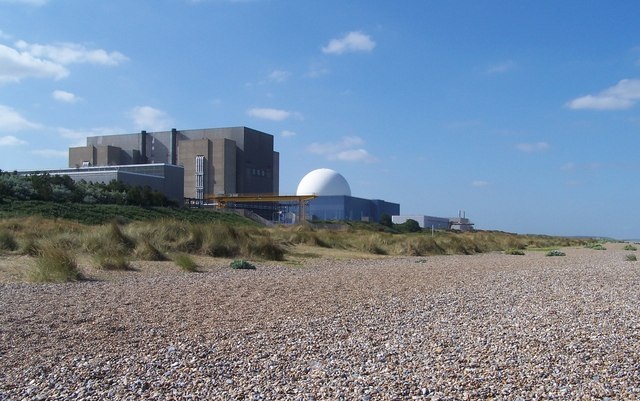
Sizewell C will replace the existing power station if government and investors can agree a deal. But what will it cost billpayers?